

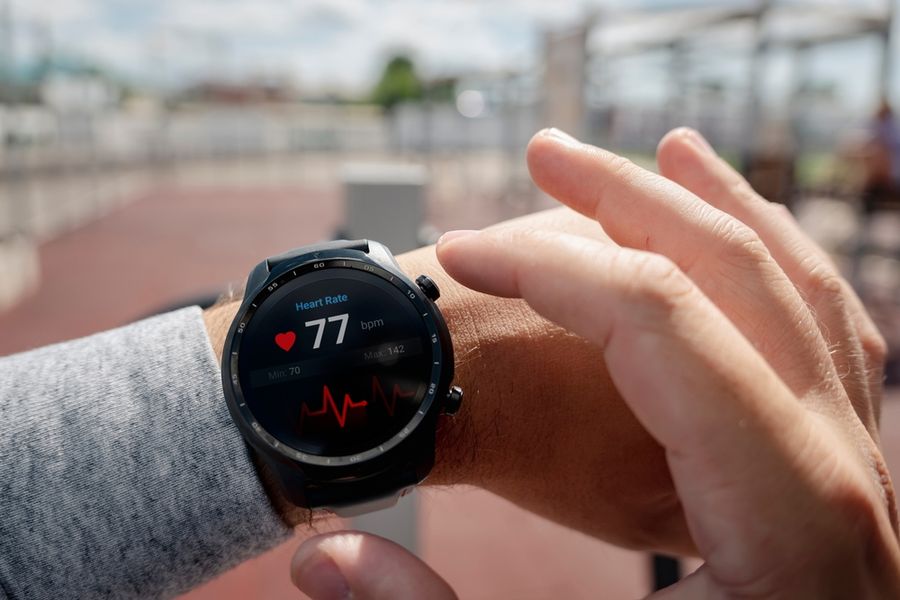
Fitness trackers have become popular tools for people who want to stay active, monitor their progress, and gain greater insight into their daily habits. Modern devices do far more than count steps, offering a wide range of health and fitness metrics that can support personal goals. With so many models available, choosing the right tracker often comes down to understanding which features provide the most value.
Activity Tracking Should Match Your Goals
One of the primary reasons people buy a fitness tracker is to monitor physical activity. Most devices can track daily steps, calories burned, distance traveled, and active minutes. For individuals focused on general wellness, basic activity tracking may provide all the information needed to stay motivated and maintain healthy habits.
More advanced trackers often include specialized workout modes for activities such as running, cycling, swimming, hiking, and strength training. Selecting a device that aligns with personal fitness interests can make the data more useful and meaningful. A runner may value detailed pace information, while someone focused on overall movement may simply want a reliable count of daily activity and exercise consistency.
Heart Rate and Health Monitoring Features
Heart rate tracking has become one of the most sought-after fitness tracker features. Continuous heart rate monitoring can provide insights into workout intensity, recovery, and overall fitness trends. Many devices also display heart rate zones, helping users understand whether they are exercising at a light, moderate, or vigorous level.
Some trackers include additional wellness features such as stress monitoring, breathing exercises, blood oxygen measurements, and recovery metrics. While such tools should not replace professional medical advice, they can provide useful information about daily habits and overall wellness. Users interested in health-focused data may find value in devices that offer a broader picture of physical activity and recovery.
Sleep Tracking Can Reveal Important Patterns
Sleep plays a major role in overall health, making sleep tracking a popular feature in modern fitness devices. Many trackers monitor how long a person sleeps and provide information about sleep stages throughout the night. Such data can help users identify patterns and make adjustments that support better rest.
For people who frequently feel tired or struggle with consistency, sleep monitoring can offer useful insights. Some devices provide sleep scores, bedtime reminders, and recommendations aimed at improving sleep habits. The effectiveness of this feature often depends on whether the tracker is comfortable enough to wear overnight, making comfort an important consideration during the shopping process.
GPS and Outdoor Workout Features
Built-in GPS is particularly valuable for people who spend time exercising outdoors. GPS tracking allows users to monitor routes, pace, distance, elevation changes, and other location-based metrics without relying entirely on a smartphone. This feature is especially useful for runners, cyclists, hikers, and walkers who want more detailed workout information.
Some advanced fitness trackers also include navigation tools, route tracking, and performance data designed for specific sports. While not everyone needs such capabilities, outdoor enthusiasts often appreciate the additional detail. Individuals who primarily exercise indoors may find that a simpler tracker without built-in GPS meets their needs while helping keep costs lower.
Battery Life, Comfort, and App Compatibility
Even the most feature-rich fitness tracker can become frustrating if it is uncomfortable to wear or requires constant charging. Battery life varies significantly between devices, with some lasting several days and others operating for weeks on a single charge. Shoppers should consider how often they are willing to recharge their tracker before making a decision.
The companion smartphone app also deserves attention. Most fitness trackers rely on mobile apps to display detailed reports, track trends, and customize settings. A well-designed app can make fitness data easier to understand and more enjoyable to use. Compatibility with existing devices and favorite health or fitness platforms may also improve the overall experience and encourage long-term use.
Finding the Tracker You'll Actually Use
The best fitness tracker is not necessarily the one with the longest feature list or the highest price tag. A device that aligns with personal goals, feels comfortable throughout the day, and delivers useful information is often the most valuable choice. Focusing on practical features rather than flashy extras can help simplify the decision-making process.
Whether the goal is improving fitness, monitoring sleep, tracking workouts, or simply staying more active, the right tracker should support healthy habits without becoming a burden. By evaluating activity tracking, health metrics, GPS capabilities, battery life, and app quality, shoppers can find a device that fits naturally into their lifestyle and encourages long-term consistency.