

Flooring plays a major role in the look, comfort, and functionality of a home. The right choice can make a space feel warm and inviting, while the wrong one may lead to unnecessary maintenance or premature replacement. With so many materials, styles, and price points available, selecting a flooring option can feel overwhelming. A thoughtful approach that considers lifestyle, room usage, durability, and design preferences can make the decision much easier and help create a space that looks great for years to come.
Consider How Each Room Is Used
One of the most important factors when choosing flooring is understanding how a room functions on a daily basis. Areas with heavy foot traffic, such as entryways, hallways, and living rooms, often benefit from durable materials that can withstand constant use. Bedrooms, on the other hand, may prioritize comfort and warmth over maximum durability.
Moisture levels should also influence flooring decisions. Bathrooms, laundry rooms, and basements are exposed to humidity and occasional spills, making water-resistant options a practical choice. Matching flooring performance to the demands of each space can help ensure long-term satisfaction and reduce the need for frequent repairs or replacements.
Explore Popular Flooring Types
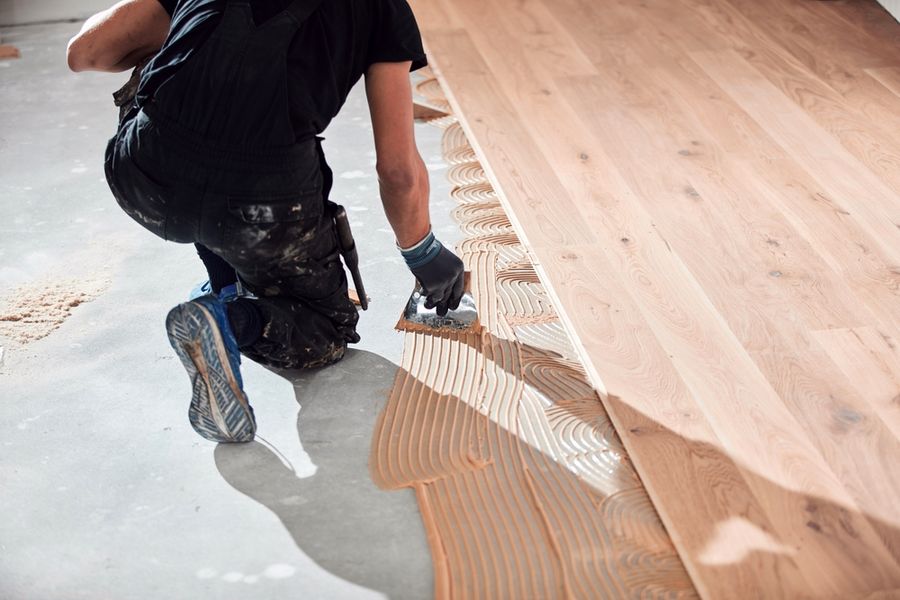
Hardwood flooring remains a popular choice because of its timeless appearance and ability to complement many decorating styles. It can add value to a home and often lasts for decades when properly maintained. However, hardwood may not be the best fit for areas prone to moisture or excessive wear.
Other options include laminate, vinyl, tile, carpet, and engineered wood. Laminate offers the appearance of wood at a lower cost, while luxury vinyl is known for durability and water resistance. Tile performs well in kitchens and bathrooms, and carpet provides softness and insulation in bedrooms and family spaces. Understanding the strengths of each material can make narrowing down choices much easier.
Balance Durability With Maintenance Needs
Different flooring materials require varying levels of upkeep. Some homeowners prefer low-maintenance options that can handle spills, pets, and busy households without demanding extensive care. Luxury vinyl plank and tile flooring often appeal to families because they are relatively easy to clean and resistant to everyday wear.
Hardwood floors may require periodic refinishing, while carpet may need more frequent vacuuming and stain management. Natural stone flooring offers a beautiful appearance but often requires sealing to maintain its condition. Considering the amount of time and effort available for maintenance can help identify flooring that fits comfortably into a household's routine.
Match Flooring to Your Home's Style
Flooring serves as the foundation of a room's overall design. The color, texture, and pattern selected can dramatically influence the atmosphere of a space. Light-colored flooring can make smaller rooms feel larger and brighter, while darker tones often create a cozy and sophisticated appearance.
Design preferences should work alongside the home's existing architecture and furnishings. Rustic wood-look flooring pairs well with farmhouse-inspired interiors, while sleek tile may complement a modern aesthetic. Choosing flooring that harmonizes with surrounding elements helps create a cohesive look throughout the home and prevents design choices from feeling disconnected.
Set a Realistic Budget Before Shopping
Flooring costs can vary significantly depending on the material, quality, and installation requirements. Establishing a budget before shopping helps narrow the field and prevents surprises later in the process. It is important to consider not only the cost of materials but also underlayment, installation, removal of existing flooring, and future maintenance expenses.
A higher upfront investment may sometimes provide better long-term value. Durable flooring that lasts for many years can reduce replacement costs and ongoing repairs. Comparing total ownership costs rather than focusing solely on the purchase price often leads to a more practical decision and greater satisfaction over time.
Building a Foundation for Everyday Living
Choosing flooring involves more than selecting a color or material that looks appealing in a showroom. Factors such as room function, durability, maintenance requirements, style preferences, and budget all contribute to finding the right fit. A well-informed decision can improve comfort, enhance a home's appearance, and support daily activities for years to come.
Every household has unique needs, which is why there is no single flooring solution that works for everyone. Taking time to evaluate how each space is used and comparing available options carefully can lead to a choice that balances beauty, practicality, and value. The result is a home that feels both functional and welcoming from the ground up.