

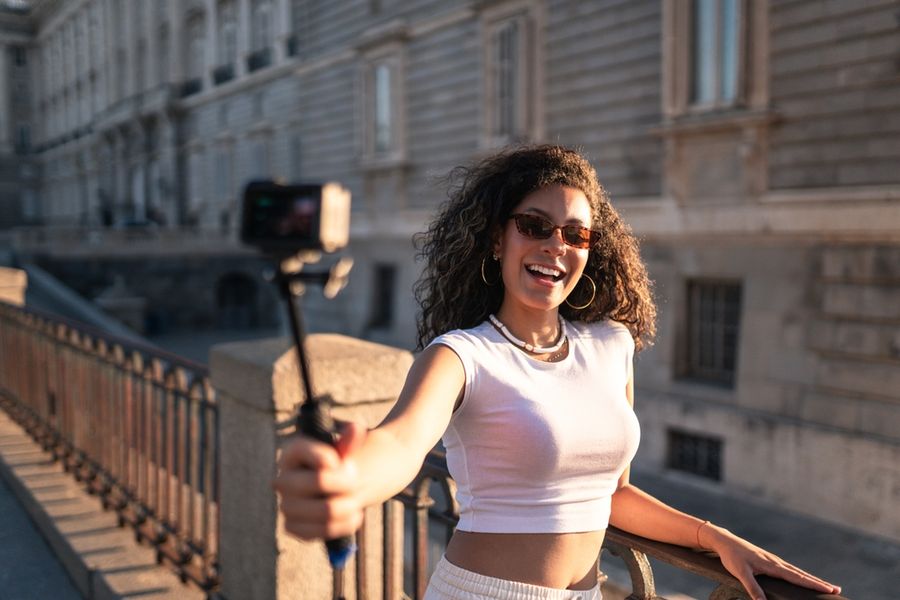
Vlogging has become one of the most popular ways to share stories, experiences, tutorials, and everyday moments online. While creativity matters most, the right camera can make filming easier and help videos look and sound more polished. A good vlogging camera should support clear video, steady footage, reliable focus, and simple operation. With phones, compact cameras, action cameras, and mirrorless models available, choosing the best option often depends on filming style, budget, and comfort level.
Decide Between a Phone and a Dedicated Camera
Many people already have a capable vlogging tool in their pocket. Modern smartphones can record sharp video, offer built-in editing apps, and make uploading content simple. For beginners, a phone may be enough to start creating videos without investing in extra equipment.
A dedicated camera can offer more creative control, better lens options, stronger low-light performance, and improved image quality in certain situations. Mirrorless cameras, compact cameras, and action cameras each serve different needs. A phone may work well for casual creators, while a separate camera may be better for vloggers who want more flexibility and a more professional look.
Look for Strong Video Quality
Video quality is one of the most important features to consider. Many vloggers look for cameras that can record in Full HD or 4K, since sharper footage can look more polished across social media platforms and video-sharing sites. Good color, detail, and low-light performance can also make a noticeable difference.
That said, resolution is not everything. A camera that is easy to use consistently may be more valuable than one with complicated settings. For many creators, 4K at standard frame rates is enough for everyday vlogging. The goal is to capture clear, attractive footage without making the filming process feel overwhelming.
Prioritize Stabilization and Autofocus
Vlogging often involves movement, whether someone is walking, traveling, cooking, or filming handheld. Stabilization helps reduce shaky footage and creates a smoother viewing experience. Some cameras include built-in stabilization, while others may work best with a tripod, grip, or gimbal.
Autofocus is equally important, especially for solo vloggers. A good camera should keep the subject sharp even when moving around or holding products close to the lens. Face and eye detection can be especially helpful when filming yourself. Reliable autofocus allows creators to concentrate on speaking, framing, and storytelling rather than constantly checking whether the shot is clear.
Make Sure Audio Options Are Practical
Clear audio can be just as important as sharp video. Viewers may tolerate slightly imperfect visuals, but poor sound can make a vlog difficult to watch. Built-in microphones can work in quiet spaces, but they often struggle with wind, background noise, or distance from the speaker.
A good vlogging camera should ideally include a microphone input, allowing creators to connect an external microphone for better sound. Some models may also include a headphone jack for monitoring audio while recording. Even simple audio upgrades, such as a small shotgun mic or clip-on microphone, can make videos feel more professional and easier to enjoy.
Consider Portability and User-Friendly Design
A vlogging camera should be easy to carry and comfortable to use. Large, heavy cameras may produce beautiful footage, but they can become inconvenient for travel, daily filming, or spontaneous content. Compact designs are often better for creators who film on the go.
Helpful design features include a flip-out screen, simple controls, long battery life, and reliable storage options. A screen that faces forward makes it easier to frame shots while filming alone. Lightweight bodies, comfortable grips, and quick setup times can also encourage more frequent use. The best camera is one that feels natural enough to bring along regularly.
Choosing a Camera That Supports Your Story
A good vlogging camera does not need to be the most expensive model available. It should match the creator's filming style, whether that means quick phone videos, travel clips, sit-down tutorials, or polished lifestyle content. The right balance of video quality, stabilization, autofocus, audio support, and portability can make filming feel easier and more enjoyable.
Strong equipment can improve a vlog, but it should never get in the way of creating. A simple camera used consistently is often more valuable than a complicated setup that stays at home. By focusing on practical features and real filming habits, creators can choose a camera that helps them share stories with confidence.