

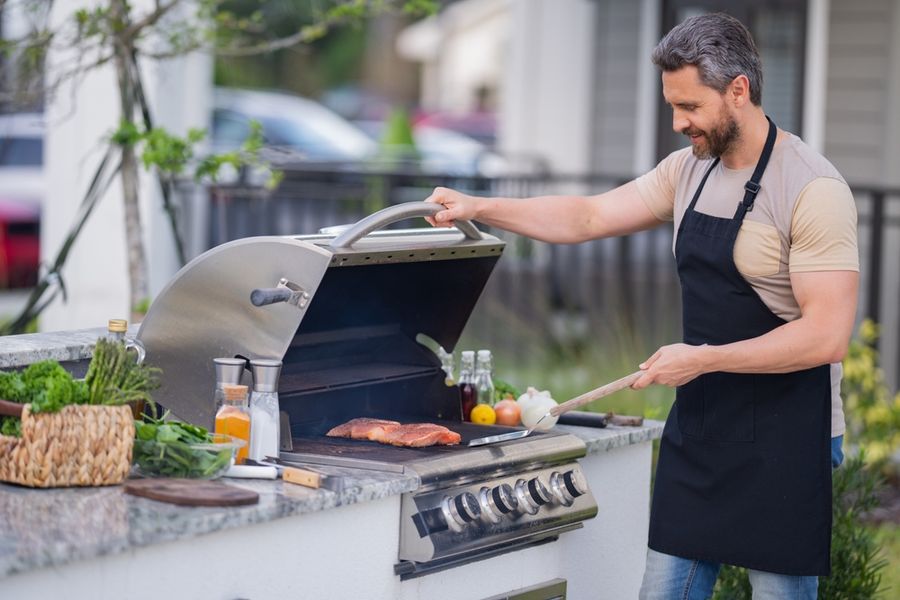
A new grill can turn an ordinary backyard, patio, or deck into a favorite place for cooking and gathering. From quick weeknight dinners to weekend cookouts, the right model should fit both your space and the way you like to prepare food. With gas, charcoal, pellet, and electric options available, shopping can feel more complicated than expected. Comparing your options and considering the upkeep required can make it easier to choose a grill that feels practical and enjoyable.
Compare the Main Grill Types
Gas grills are popular because they heat quickly, offer easy temperature control, and work well for everyday cooking. They are a convenient choice for people who want to grill often without spending much time on setup or cleanup. Propane models are flexible, while natural gas grills may be better for a permanent outdoor cooking area.
Charcoal grills appeal to those who enjoy smoky flavor and a more traditional grilling experience. Pellet grills use wood pellets and often provide strong temperature control, making them useful for smoking and slow cooking. Electric grills can work well for small patios, balconies, or areas with fuel restrictions. Each type offers a different cooking style, so the best choice depends on personal preference.
Choose the Right Size for Your Space
Grill size should match both the cooking area available and the number of people typically being served. A compact grill may be enough for small households or occasional meals, while a larger model can make sense for families, parties, or anyone who likes to cook several foods at once. Extra cooking space can also be helpful when preparing side dishes alongside the main course.
The physical footprint matters just as much as the cooking surface. Before buying, it is smart to measure the outdoor area and allow room for movement, tools, and safe clearance. A grill that overwhelms a small patio may become frustrating, even if it has impressive features. A comfortable fit encourages more frequent use.
Look for Useful Cooking Features
Modern grills can include a wide range of features, but not every upgrade is necessary for every cook. Side burners can be helpful for warming sauces or preparing simple side dishes outdoors. Warming racks, built-in thermometers, and multiple burners can also make grilling more flexible and efficient.
Temperature control is especially important. Gas grills with separate burner zones allow different foods to cook at different heat levels, while pellet grills often offer digital controls for steady cooking. Storage shelves, hooks for tools, and easy-access fuel areas can improve convenience. Instead of focusing on the longest feature list, shoppers should look for additions that match the way they actually plan to cook.
Consider Materials and Durability
A grill spends much of its life outdoors, so construction quality matters. Stainless steel is commonly valued because it resists rust and provides a polished appearance, though quality can vary. Cast iron grates retain heat well, while porcelain-coated grates can be easier to clean when handled carefully.
A sturdy lid, stable frame, and reliable wheels can make a grill feel safer and easier to use. It is also worth checking how well parts fit together, since flimsy construction may lead to uneven cooking or a shorter lifespan. A durable grill may cost more upfront, but it can provide better value over time if it performs well through repeated use and changing weather conditions.
Think About Cleaning and Maintenance
Grilling is more enjoyable when cleanup is simple. Removable grease trays, accessible ash catchers, and easy-to-brush grates can make a big difference after cooking. Some grills require more regular attention than others, especially charcoal and pellet models that produce ash.
Maintenance needs should fit your routine. Gas grills may require occasional burner checks, while pellet grills need proper pellet storage and hopper cleaning. Covers can help protect any grill from rain, dust, and sun exposure. Replacement parts are also worth considering, since grates, igniters, and burners may eventually wear out. Choosing a model that is easy to care for can help keep outdoor cooking from feeling like a chore.
Finding a Grill That Fits Your Cooking Style
The best grill is not always the biggest, most expensive, or most feature-packed model. A good choice should suit your space, match your preferred flavor and cooking method, and offer enough durability for regular outdoor use. Thinking about how often you grill, what foods you enjoy making, and how much maintenance you are willing to handle can make the buying process much clearer.
A new grill should feel like an invitation to cook outside more often. Whether the goal is quick burgers, smoky ribs, grilled vegetables, or casual family meals, the right model can make outdoor cooking easier and more enjoyable. By comparing grill types, sizing the grill carefully, and focusing on practical features, shoppers can bring home an option that supports many memorable meals.