

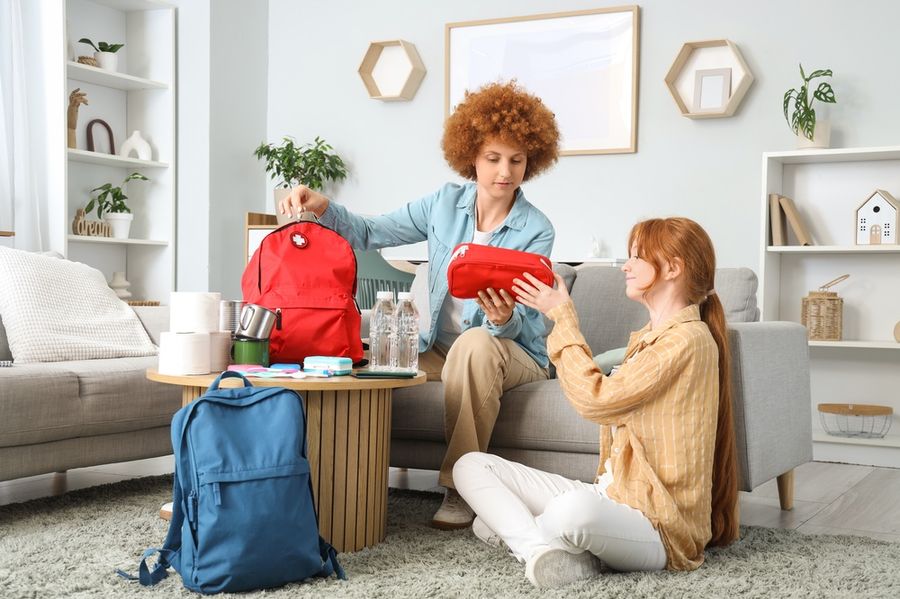
Emergencies often arrive without warning, making preparation one of the most valuable steps a family can take. Severe weather, power outages, natural disasters, and other unexpected events can disrupt daily routines and limit access to essential supplies. Having an emergency preparedness kit readily available can provide comfort, safety, and peace of mind during challenging situations. A well-stocked kit doesn't need to be complicated, but it should contain practical items that support a family's basic needs when normal resources become unavailable.
Start With Essential Food and Water Supplies
Food and water form the foundation of any emergency preparedness kit. During an emergency, access to grocery stores, restaurants, or clean drinking water may be limited. Having enough supplies on hand helps families remain comfortable and reduces stress during uncertain situations. Many experts recommend storing enough water and food to support each family member for several days.
Nonperishable foods are often the most practical choice because they require little preparation and have a long shelf life. Canned goods, granola bars, peanut butter, dried fruit, crackers, and shelf-stable meals are common additions. Water should be stored in clean containers and rotated periodically to maintain freshness. Keeping a manual can opener nearby is also a smart addition when relying on canned foods.
Include First Aid and Health Essentials
Medical supplies can become especially important during emergencies when immediate access to healthcare may be difficult. A basic first aid kit should contain bandages, antiseptic wipes, adhesive tape, gauze, scissors, and other common treatment items that can help manage minor injuries until additional care is available.
Families should also consider their specific health needs when assembling a preparedness kit. Prescription medications, spare eyeglasses, medical devices, and copies of important health information may be essential for certain household members. Regularly checking expiration dates and replacing outdated supplies helps ensure everything remains ready for use when needed most.
Prepare for Power Outages and Communication Needs
Power interruptions often accompany severe weather events and other emergencies. Flashlights, extra batteries, and battery-powered lanterns can help families navigate safely when electricity is unavailable. Portable power banks may also provide temporary charging options for phones and other important devices.
Communication remains critical during emergencies. Keeping a battery-powered or hand-crank radio in the kit can provide access to weather alerts and local information when internet or cellular service is unreliable. Written contact information for family members, emergency services, and important community resources can also be valuable if electronic devices become unavailable.
Don't Forget Important Documents and Personal Items
Important documents are often overlooked when building an emergency kit. Copies of identification cards, insurance policies, medical information, and emergency contact lists can be extremely helpful during evacuation situations or disaster recovery efforts. Storing documents in waterproof containers helps protect them from damage.
Personal items should also be considered. Extra clothing, blankets, hygiene supplies, and comfort items can improve morale and make stressful situations more manageable. Families with young children may want to include diapers, formula, favorite books, or small toys. Pet owners should also remember food, medications, and supplies needed to care for animals during an emergency.
Store and Maintain the Kit Properly
Creating a preparedness kit is only the first step. Proper storage ensures supplies remain accessible and in good condition when needed. Many families choose a sturdy plastic container or dedicated emergency bag that can be quickly retrieved during an evacuation or severe weather event.
Routine maintenance is equally important. Food, water, batteries, medications, and other supplies should be reviewed periodically and replaced as necessary. Family needs can change over time as children grow, health conditions evolve, or household members are added. Regular updates help keep the kit relevant and ensure it continues to meet everyone's needs.
Confidence Through Preparation
An emergency preparedness kit cannot prevent disasters, but it can help families respond more effectively when unexpected situations arise. Having essential supplies gathered in one location reduces uncertainty and allows household members to focus on staying safe rather than scrambling for necessities during a crisis.
Preparation is often most effective when approached as an ongoing process rather than a one-time project. Reviewing supplies regularly, discussing emergency plans, and updating the kit as family needs change can strengthen overall readiness. A little planning today can provide valuable peace of mind and greater confidence during whatever challenges tomorrow may bring.