

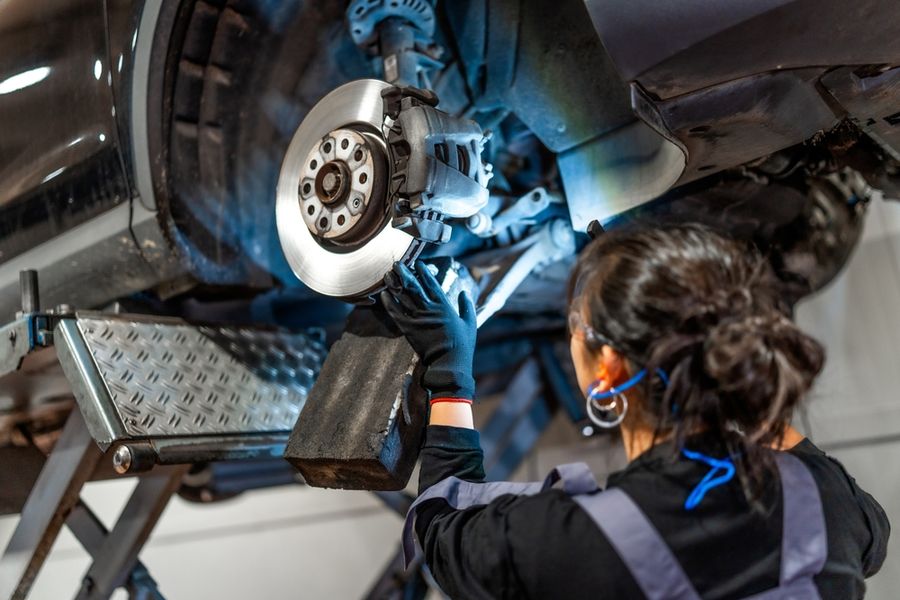
A vehicle's braking system plays a critical role in keeping drivers, passengers, and others on the road safe. Because brake components wear down gradually over time, many warning signs can be easy to overlook until performance begins to suffer. Paying attention to the key signs can help identify problems before they become more serious. Recognizing early signs of brake wear may prevent costly repairs and help ensure a vehicle remains safe to drive.
Listen for Squealing and Screeching Sounds
One of the most common signs of brake wear is a high-pitched squealing or screeching sound when the brake pedal is pressed. Many brake pads are designed with built-in wear indicators that create this noise intentionally. The sound serves as an early warning that the pads are becoming thin and may need attention soon.
While the noise may not indicate an immediate safety emergency, it should not be ignored. Scheduling a brake inspection when squealing begins can help prevent further wear and additional repair costs. Addressing the issue early often means replacing brake pads before other components of the braking system become affected by excessive wear.
Grinding Noises Often Signal Serious Wear
A loud grinding or metal-on-metal sound is usually more concerning than a simple squeal. Grinding often occurs when brake pads have worn down completely, allowing metal backing plates to come into direct contact with the brake rotors. At this stage, damage may already be occurring within the braking system.
Ignoring a grinding sound can lead to costly repairs. Rotors may become scratched, warped, or damaged beyond repair, requiring replacement along with the brake pads. Because braking performance can also be compromised, drivers who hear grinding noises should have their vehicles inspected as soon as possible to avoid creating a larger safety issue.
Reduced Stopping Power and Brake Response
Brakes should respond predictably and bring a vehicle to a stop without excessive effort. If a vehicle seems to require a longer distance to stop or the brakes feel less responsive than usual, worn brake components could be contributing to the problem. Changes in stopping performance should always be taken seriously.
A soft brake pedal may also indicate issues such as worn pads, low brake fluid, or problems within the hydraulic system. In some cases, drivers may notice that the pedal must be pushed farther toward the floor before braking begins. Any noticeable decline in braking performance warrants a professional inspection to determine the underlying cause.
Vibrations and Pulling While Braking
Smooth, controlled braking is generally a sign that the system is functioning properly. If the steering wheel shakes, the brake pedal vibrates, or the entire vehicle shudders when slowing down, worn or damaged brake components may be responsible. Warped rotors are one common cause of braking vibrations.
Another warning sign is a vehicle that pulls to one side when the brakes are applied. Uneven brake pad wear, contaminated brake fluid, or other brake system issues can create an imbalance that affects stopping performance. Since pulling during braking can reduce vehicle control, it is important to have the issue diagnosed before it worsens.
Watch for Warning Lights and Visible Wear
Many modern vehicles include brake warning lights that alert drivers when part of the braking system requires attention. While warning lights can indicate several different issues, they should never be ignored. A dashboard alert often means it is time to schedule an inspection and determine the source of the problem.
Visible brake wear can also provide useful clues. In some vehicles, brake pads can be seen through the wheel spokes. If the pads appear extremely thin, replacement may be necessary. Regular inspections can help identify wear before performance declines and may allow drivers to address minor issues before they become expensive repairs.
Protecting Safety Through Timely Brake Service
Brake wear is a normal part of vehicle ownership, but recognizing warning signs early can make a significant difference in both safety and repair costs. Squealing noises, grinding sounds, vibrations, reduced stopping power, warning lights, and visible wear all serve as indicators that the braking system may need attention. Responding promptly to such signs can help prevent further damage and maintain reliable performance.
Routine brake inspections remain one of the best ways to identify potential problems before they become serious. Staying aware of how a vehicle sounds, feels, and responds during braking can help drivers address issues early and keep their vehicles operating safely. When it comes to brakes, acting sooner rather than later is often the smartest decision.